Meet the Makers: Studio Visits and Interviews with Slovenian Craftspeople
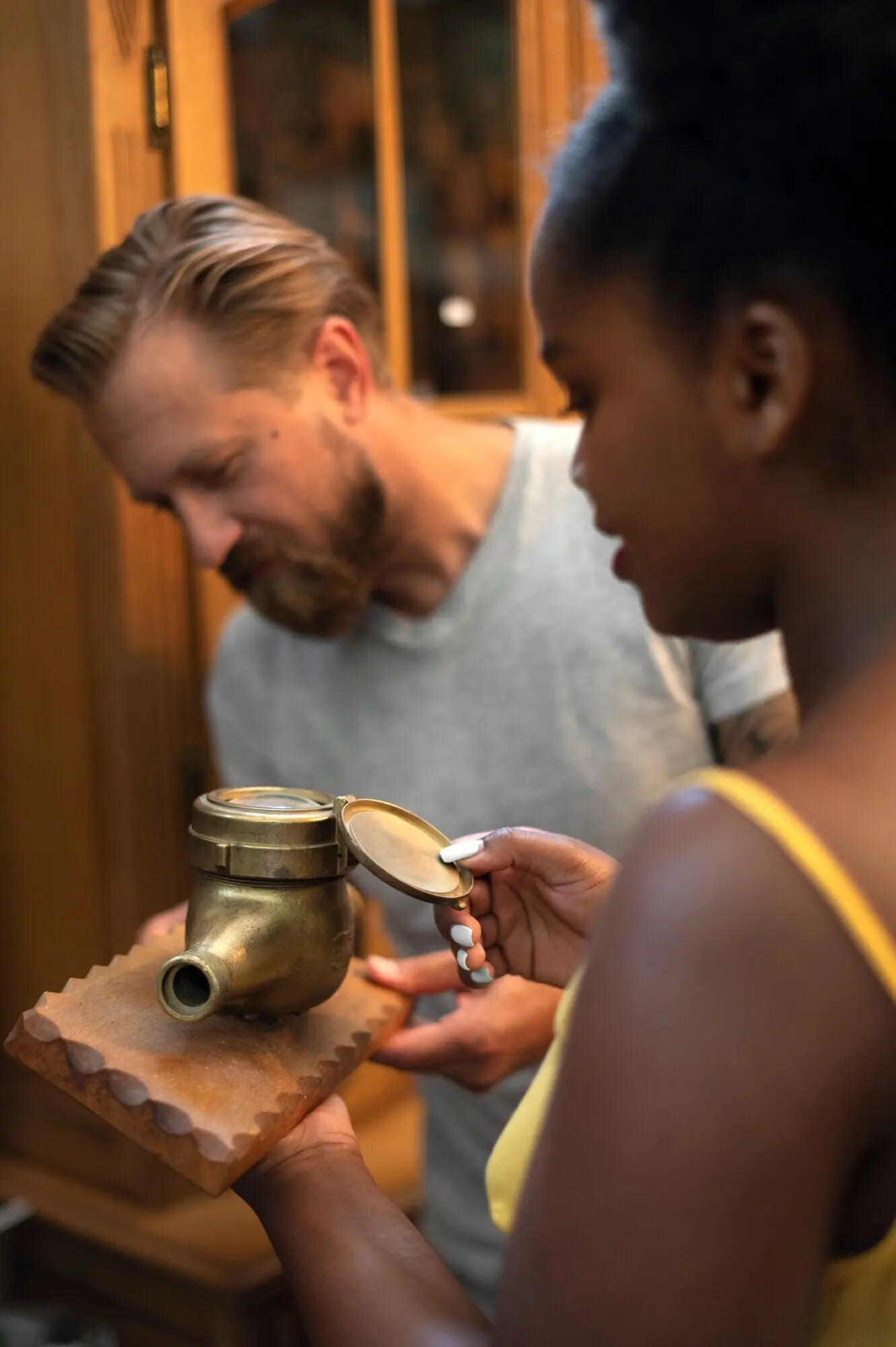
Step into workshops tucked along the Ljubljanica, high Alpine valleys, and sunlit coastal streets as we launch Meet the Makers: Studio Visits and Interviews with Slovenian Craftspeople. Expect honest conversations, sawdust, laughter, and legacy, while photos, notes, and your questions shape where we go next.
Hidden Workshops Across Slovenia
Across a country small on maps yet vast in craft, we search for quiet rooms humming with skill. From riverbank studios in Ljubljana to hillside sheds near Idrija and salt-scented courtyards by Piran, every doorway reveals process, patience, regional materials, and conversations that redraw our travel plans.
Ljubljana’s Urban Studios
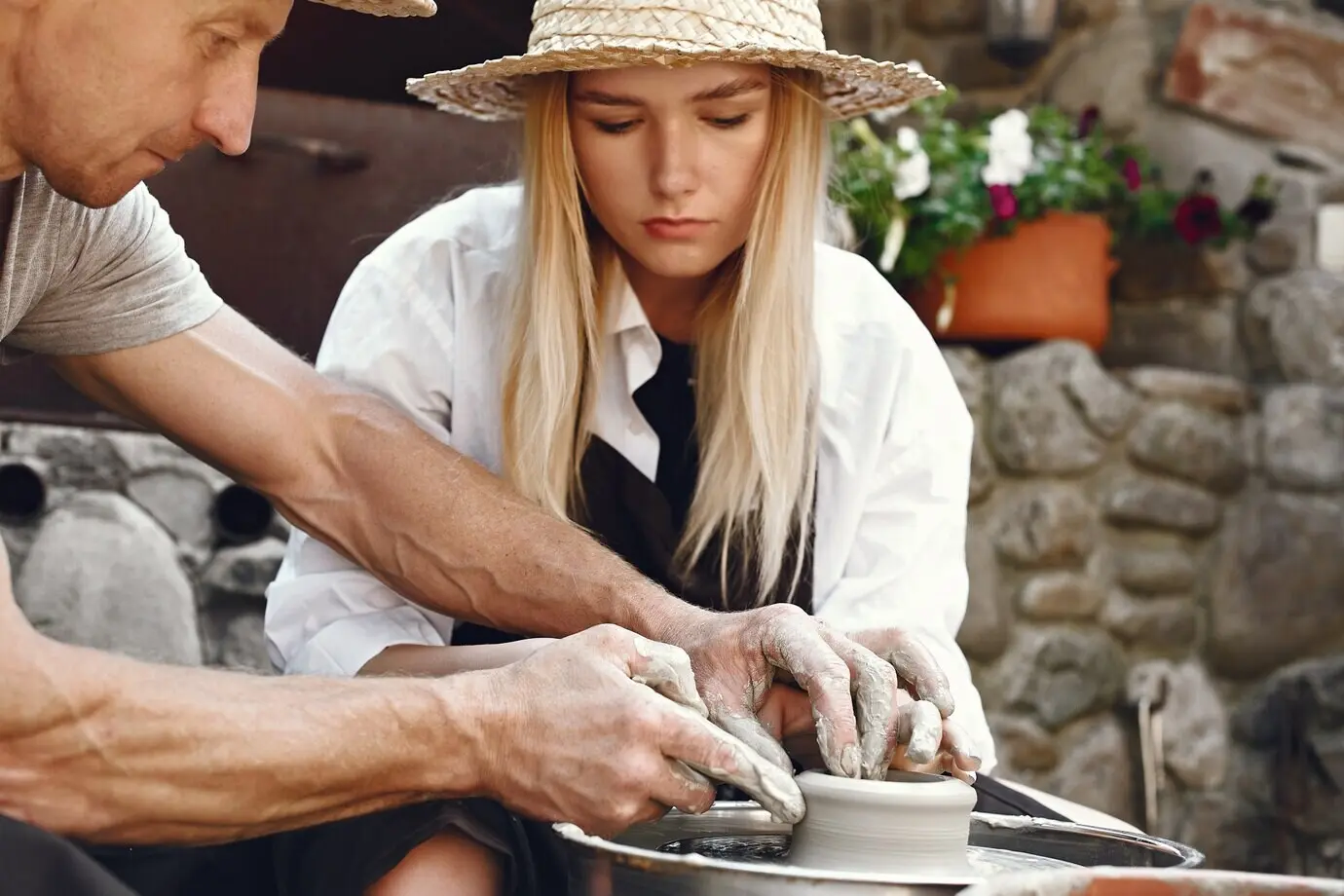
Within courtyards and attic spaces close to the castle, makers adapt compact rooms into powerhouses of precision. We watch glue cure beside river light, hear bikes clatter downstairs, and learn how limited square meters sharpen ingenuity, collaboration, and the ability to finish beautiful work without wasting a moment.
Idrija Lace Heritage
In Idrija, bobbins click like rain on slate, tracing patterns taught for generations. Lace makers recount school memories, community gatherings, and commissions that honor ceremony and everyday joy. Their hands map patience, while new motifs quietly welcome contemporary fashion, galleries, and custom pieces ordered by faraway admirers.
Ribnica Woodcraft Lineage
In Ribnica, woodturners shape beech and maple into humble tools and playful toys, continuing a celebrated lineage of traveling peddlers. Stories of market days mingle with sharpening rituals, sustainable forestry practices, and pride in objects designed to be repaired, inherited, and used rather than simply displayed behind glass.
Conversations at the Workbench
Interviews unfold between curls of shavings and cups of strong coffee. Makers speak about early failures, unexpected mentors, pricing that respects hours, and the thrill of a returning customer years later. We listen for lessons hidden in routine, translating their candid reflections into guidance for collectors, students, and curious travelers.
Craft as Daily Ritual
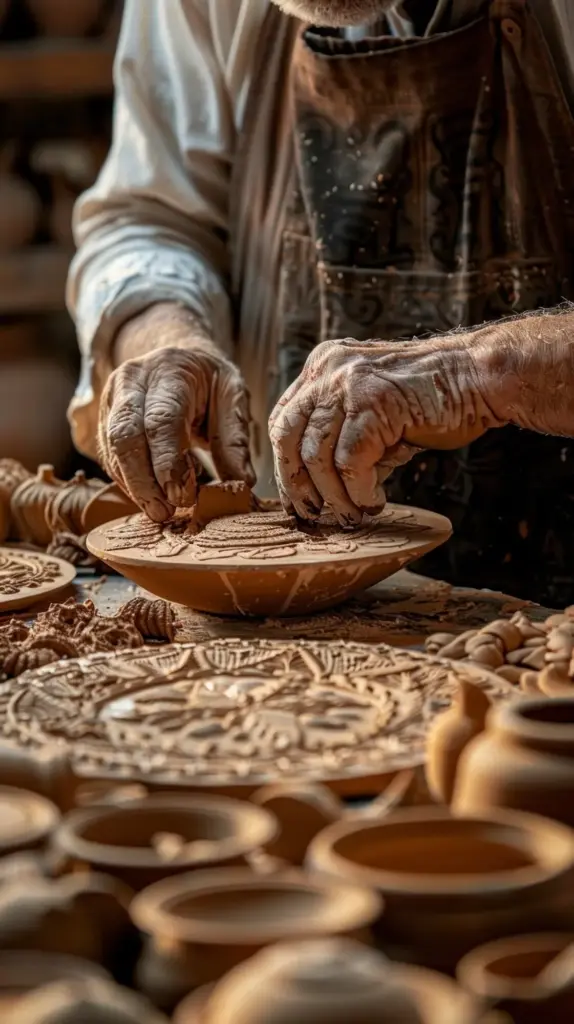
Morning opens with sweeping benches, checking edges, and setting intentions. Many describe timed breaks to protect backs and eyes, playlists that guide pace, and end-of-day notes for tomorrow’s problems. Habit, they insist, is not dullness but scaffolding that protects experimentation from chaos, distraction, and creeping self-doubt.
Pricing the Handmade
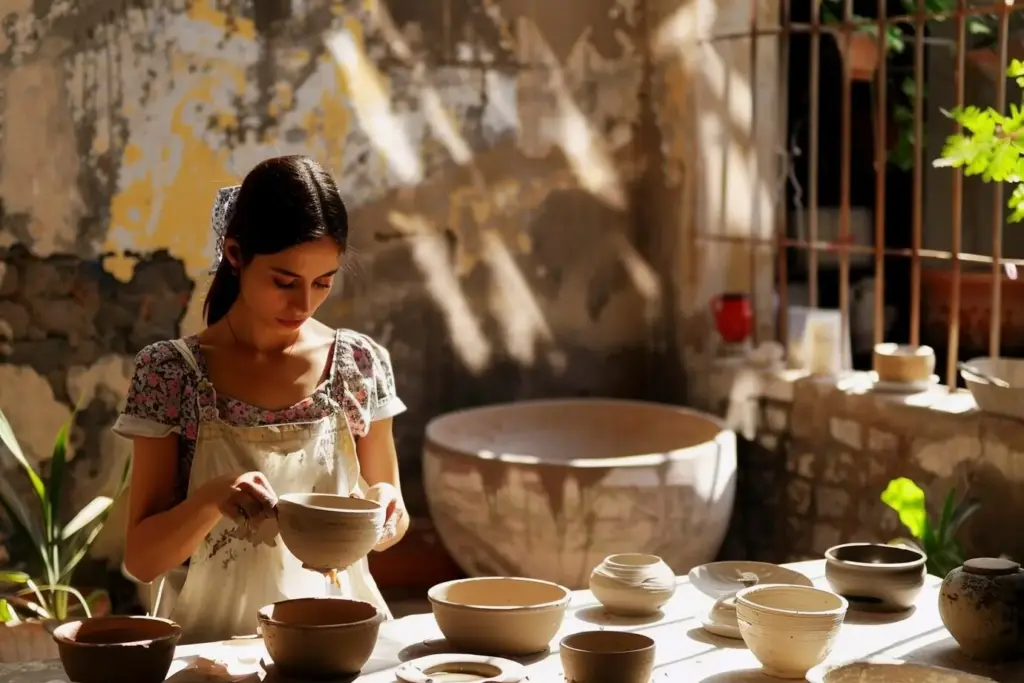
Discussing money feels delicate, yet essential. Artisans reveal material margins, electricity spikes, studio rent, and countless hidden hours. They explain why a perfect bowl costs what it does, how preorders stabilize cash flow, and why honest pricing ultimately protects both maker integrity and buyer satisfaction over the long term.
Materials, Tools, and Techniques
Materials carry landscapes. Beech whispers of mountain shade, wool remembers pastures, and clay keeps the cool of river banks. Tools extend fingertips: chisels, looms, torches, and knives. Technique, meanwhile, is a language spoken through repetition until fluency appears and the line, seam, or surface suddenly feels inevitable.
Journeys of Origin and Identity
Every maker carries a constellation of beginnings: childhood kitchens, village fairs, museum internships, and wanderings abroad. Returning to Slovenia, many weave influences into place-based practices that feel both grounded and exploratory, honoring elders while claiming the courage to ask different questions and sketch entirely new possibilities across familiar materials.
Returning Home After Abroad
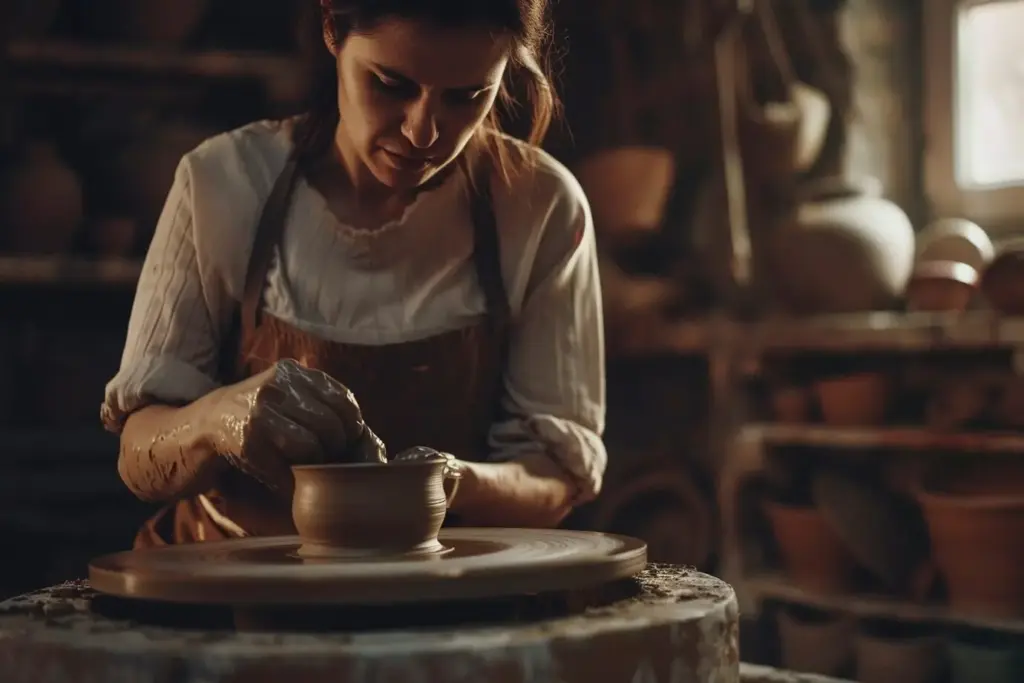
Some trained in Berlin or Milan, then came back for mountains, language, and slower rhythms. They speak about licensed tools crossing borders, bureaucracy surprises, rediscovering suppliers, and friends who became first customers. Coming home, they say, sharpened intention and reminded them why small-scale excellence still matters profoundly.
Apprenticeships Reimagined
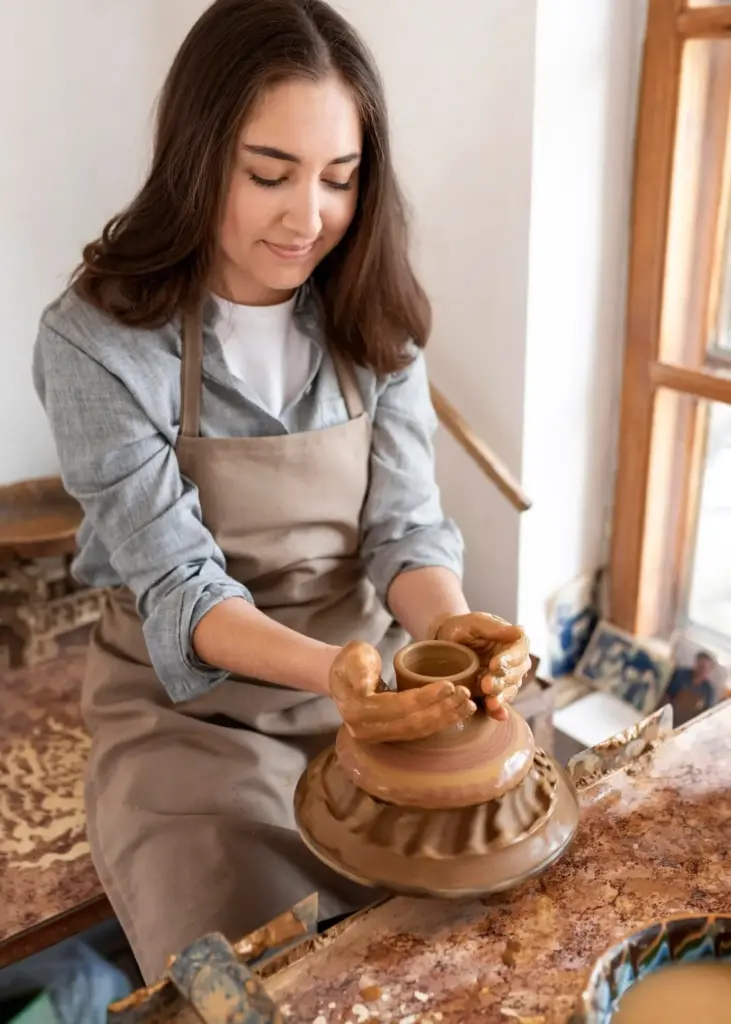
Classic apprenticeships evolve into flexible exchanges: part-time helpers learning finishing; retired specialists teaching edge cases; weekend intensives replacing yearlong commitments. Mentorship today includes digital notes, video calls, and group critiques, preserving rigors of foundational skill while widening access and ensuring hard-won knowledge keeps traveling beyond a single bench.
Balancing Tradition and Innovation
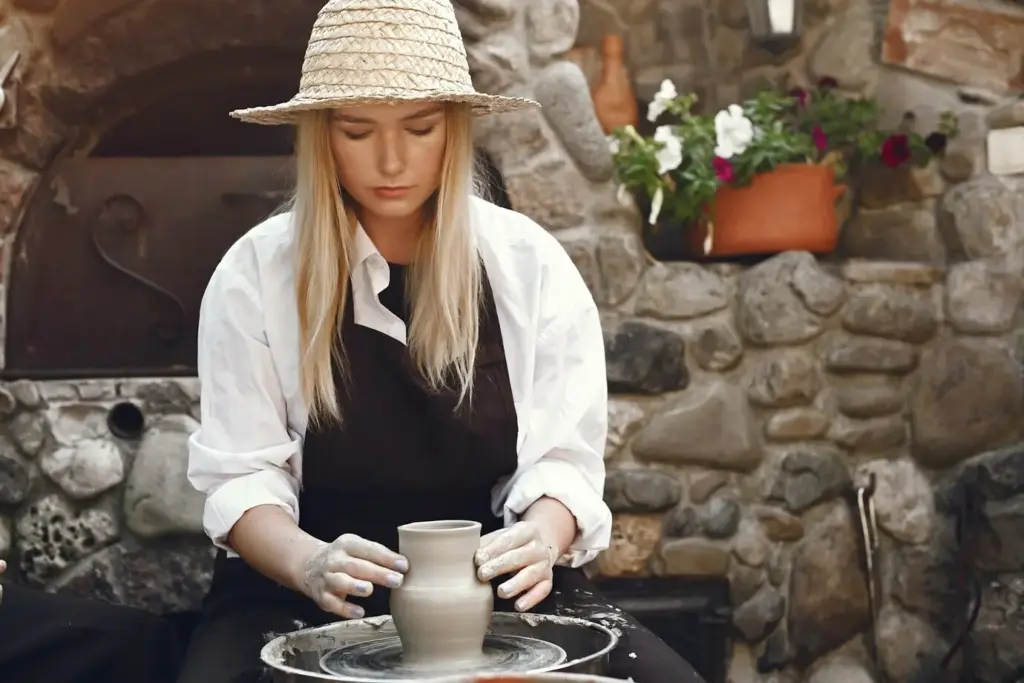
Heritage patterns meet laser-cut stencils; hand-planed surfaces collaborate with CNC templates; natural dyes sit alongside experimental mordants. Makers continually test boundaries without losing the story in their hands. The aim is synergy, not gimmickry, where innovation deepens meaning and tradition gains fresh pathways into contemporary daily life.
How to Support the Makers
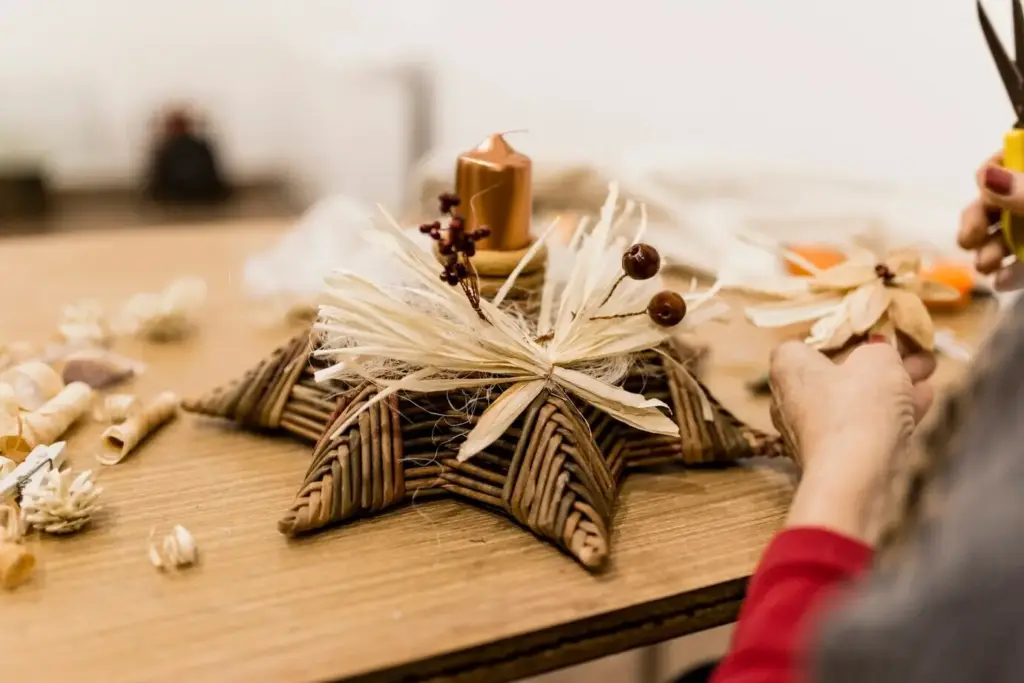
Support begins with attention. Learn names, materials, and care instructions; ask questions; follow seasons of production. Buying directly sustains independence, while workshop visits spark empathy. Your comments, shares, and patient preorders can stabilize fragile margins, helping studios expand apprenticeships, maintain equipment, and dedicate precious hours to thoughtful experimentation.
Look for provenance details, repair policies, and finish safety disclosures. Expect lead times, celebrate small imperfections, and understand why wholesale discounts differ from retail. Paying fairly acknowledges unseen labor—tool maintenance, research, bookkeeping—and ensures that a beloved mug or jacket will be replaceable, serviceable, and ethically traceable years from now.
Studios are workplaces, not showrooms. Schedule ahead, ask before touching, and step where invited. Offer feedback after purchases, not mid-process critiques. When photographing, credit generously and avoid revealing private addresses. Respect builds trust, and trust creates invitations to deeper demonstrations, shared meals, and long friendships between visitors and host communities.
Behind the Lens: Capturing the Visits
Our notes, photos, and recordings preserve fleeting gestures: a thumb testing blade sharpness, steam leaving fresh glaze, the hush before cloth reveals pattern. We aim to document respectfully, safeguarding proprietary steps while inviting readers into textures, sounds, and decisions that turn raw matter into generous, lasting objects.
All Rights Reserved.