Hands That Remember: Lace, Salt, and Pletna Reborn
Today we journey into Reviving Heritage: Idrija Lace, Piran Salt, and Bled Pletna Boatbuilding, celebrating how living skills still root communities, feed families, and spark imagination. From bobbins clacking over cushioned pillows to salt crystals forming under Adriatic sun, and curved planks finding perfect balance on a tranquil lake, these practices show why careful work matters. Meet makers, savor histories, and consider how your choices as a traveler, buyer, and storyteller can keep these crafts vibrant, honest, and proudly passed to new hands.

Where Craft Breathes Again

Across a valley of mercury memories, a shoreline of wind-shaped pans, and a glacial lake that mirrors the sky, three practices continue to work quietly and beautifully. Their survival depends on human attention, seasonal rhythm, and choices made far beyond workshop doors. When we slow down long enough to witness the process, we discover not only objects and ingredients, but values: patience, reverence, and generosity. This is not nostalgia; it is a practical pathway for communities determined to earn, teach, welcome visitors, and stand proudly within their own stories.

Idrija’s Cushions and Clicking Bobbins

In Idrija, a pillow carries a world: pinpricked patterns guiding slender wooden bobbins that converse in crisp clicks. Lace once helped miners’ families survive, translating time into delicate ribbons and bold tapes. Today, classrooms hum with the same cadence, children learning tension, twist, and trust. Every finished edging traces a journey of hands, mistakes, and corrections. Hold it to the light and you will see pathways, never merely decoration, charting how perseverance can become visible, wearable, and economically meaningful without sacrificing the quiet dignity of the craftswoman’s bench.

Salt Born of Wind, Clay, and Waiting

In Piran’s coastal pans, seawater becomes flavor through patience, sun, and attentive care. Workers tend living floors protected by a fragile biofilm, encouraging clean crystals to grow without mud or haste. Rakes whisper, breezes decide, and harvest comes only when elements agree. The result is mineral complexity that tells of tides and human guardianship. A pinch on ripe tomatoes or warm bread carries place, weather, and centuries of practice. Watching the process, you feel time stretch, and you recognize how restraint, not force, shapes trustworthy foods and livelihoods.

Boats Balanced for a Mirror-Lake

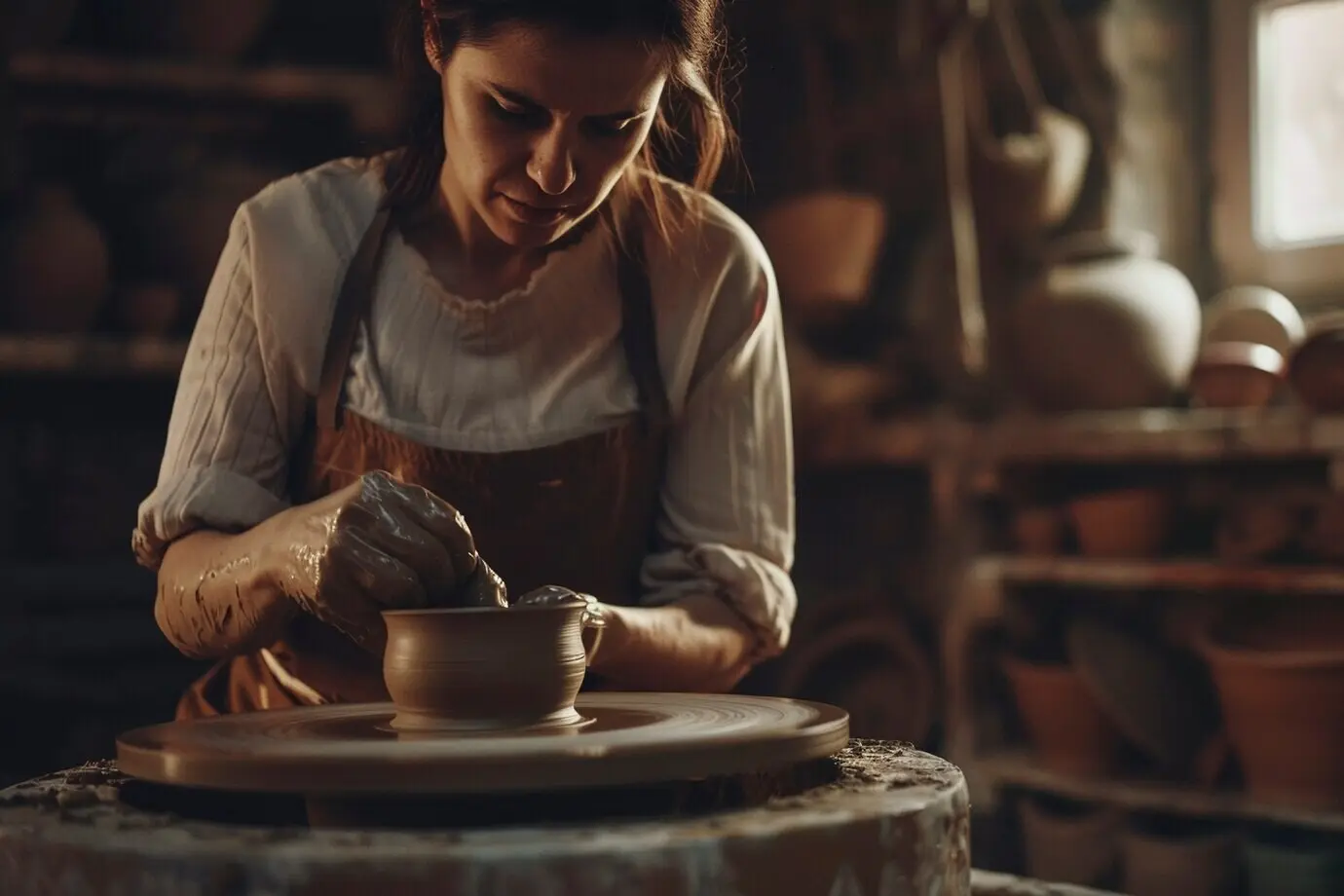
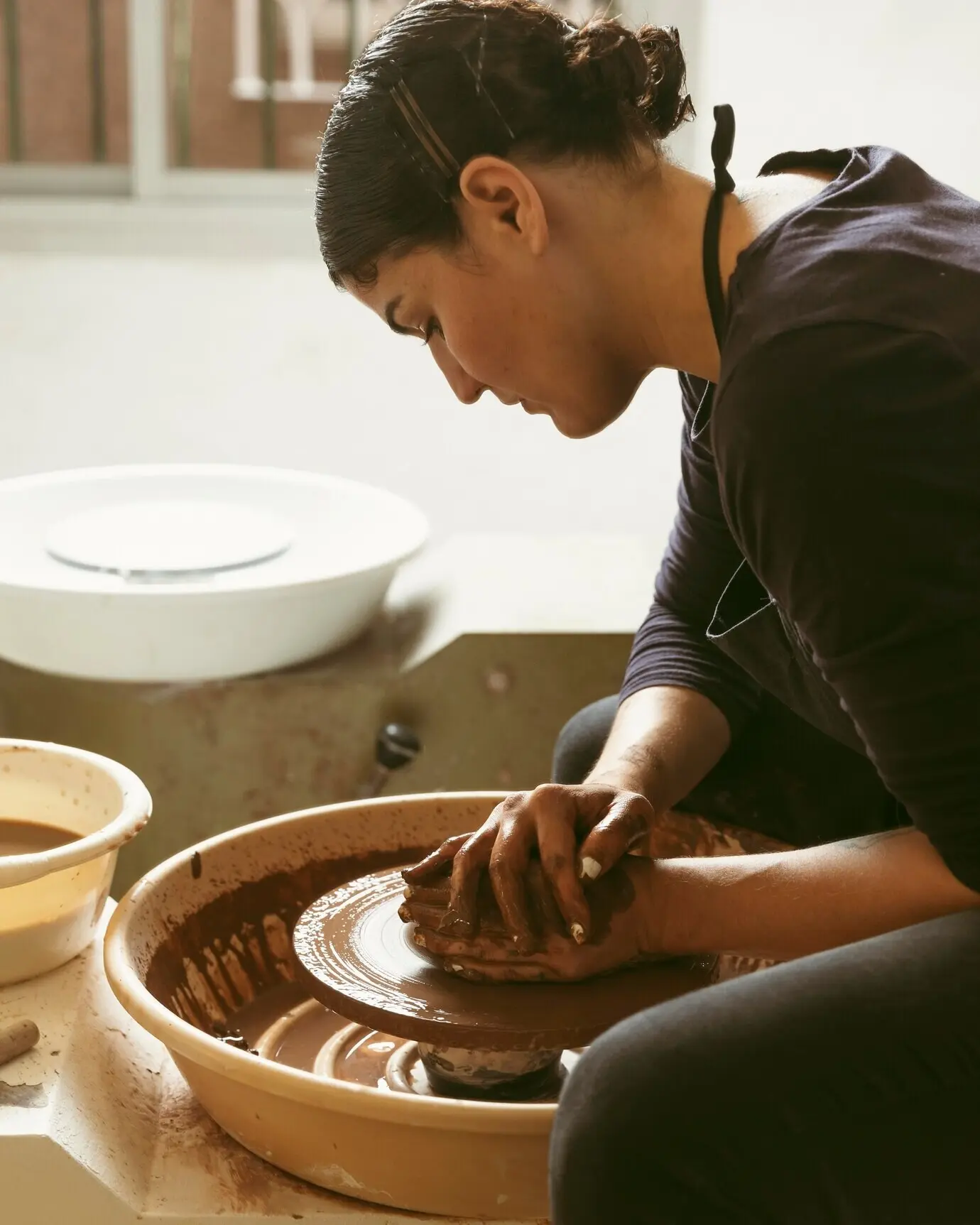
On Lake Bled, curved planks are coaxed into harmony, becoming a pletna that glides with surprising grace. The builder listens to wood grain and lake whispers, shaping ribs, benches, and a prow that parts reflections carefully. Oarsmen stand steady, guiding guests toward an island bell and remembered vows. Families keep techniques close yet welcoming, teaching balance before speed, empathy before strength. When the boat rises to a wavelet and settles again like breath, you understand why form matters: it carries people safely, stories gently, and pride openly.
Idrija Lace: Patterns of Resilience

The lace of Idrija speaks an international language of knots and pathways, yet its accent is unmistakably local. In a town once defined by a deep mine, craft offered a lighter, safer livelihood, eventually achieving global recognition and renewed confidence. Schools and festivals continue to seed curiosity, while designers pair archival motifs with modern silhouettes. The work’s future rests not on romanticism, but on fair pay, inventive collaboration, and respect for technique. Each finished edging invites us to honor the worker, value the hours, and choose beauty that lasts.
A lace pillow, dozens of bobbins, pins like bright constellations, and a paper pattern map the artisan’s universe. Precision in twist and cross becomes music for the fingers, where tiny missteps ripple outward into shapes that either sing or stumble. Apprentices learn patience first, then speed, reading diagrams like weather. The mathematics hides inside softness, yet it is firm: symmetry, negative space, and rhythm. When a motif finally closes seamlessly, satisfaction spreads quietly, proving that slow skill can outshine trends and reward careful attention with durable, elegant results.
Ana still remembers sneaking a fingertip beneath bobbins at her grandmother’s bench, receiving only a smile and a whispered reminder to breathe with the pattern. Years later, that rhythm carries through commissions, wedding veils, and tiny christening trims. She tells students every mistake contains a map back to clarity; you only need to pause and listen. Her stories fold into the cloth, making each piece an archive of lessons learned with kindness. Buyers sense it instantly, describing warmth that somehow survives packaging, travel, and even the bright lights of display.

Piran Salt: Crystals of a Living Landscape

The Living Floor That Guards Purity

Salt pans here rest upon a carefully maintained biological layer that shields clay, guiding crystals to grow cleanly without grit. Workers nurture this surface gently, repairing it after storms and treating it like a garden rather than a factory floor. Such stewardship demands knowledge passed through hands, not merely manuals. The payoff arrives as sparkling crystals that dissolve with delight, free of harshness. This is science intertwined with care, proving that ecological balance can be profitable, delicious, and robust when decisions prioritize stewardship over extraction and speed.

Seasons, Rituals, and the Harvest’s Quiet Drama

Spring prepares the pans, summer heat invites concentration, and late afternoons often bring the careful pull of rakes that reveals shimmering squares ready to lift. Families learn body memory: posture that saves the back, timing that pleases the wind. Festivals mark milestones, but most days end without spectacle, only satisfied fatigue and a taste test on the tongue. That minimalism is moving—a counterpoint to noise elsewhere. Each annual cycle writes another chapter of local identity, proving that grounded repetition can still thrill when its fruits are shared generously.

From Crystal to Kitchen With Stories Intact
Chefs speak of layered minerality and pleasing crunch, yet what makes these salts unforgettable is the path they traveled. Packaging highlights origin and caretakers, inviting buyers to season meals with memory, not merely sodium. Paired with grilled fish, soft cheeses, or bittersweet chocolate, the grains awaken subtleties rather than masking flaws. A pinch becomes a handshake across distance. When customers later visit the pans, the circle closes, and appreciation deepens into advocacy, supporting practices that keep coastlines meaningful workplaces rather than scenery without livelihoods or learning.

Shaping Ribs, Bending Planks, Trusting Grain
Boatbuilding here relies on timber selected for strength, resilience, and beauty, then coaxed into arcs through careful moisture, heat, and patient clamping. Each rib becomes both skeleton and songline, guiding the hull’s elegant rise. Fastenings must hold without bruising the wood’s voice; finishes must protect without weighing down movement. Makers speak of problem-solving as choreography, a thousand small alignments that culminate in a hull welcoming to both seasoned rowers and awestruck visitors. The result is trustworthy transport and a floating invitation to see the landscape differently.

The Standing Stroke and Lake Etiquette

Guiding a pletna requires more than muscles. Rowers cultivate a balanced stance, knees aware of ripples, shoulders patient with changing winds. They read other boats, give way generously, and mirror the lake’s calm when tourists feel anxious. Stories bloom between island bell rings: proposals, shared superstitions, sudden friendships over borrowed scarves. Each crossing affirms that hospitality is a practiced art, improvised yet rooted in tradition. The technique keeps guests safe; the ethos keeps memories gentle, leaving travelers eager to return and guardians determined to teach the next generation.

Learning Paths: Apprenticeships, Classrooms, and Shared Work
Skills survive when people are invited to practice them meaningfully. Workshops, schools, and mentorships create continuity for lace-makers, salt workers, and boatbuilders alike. Curricula pair technique with entrepreneurship, teaching pricing, storytelling, and respectful tourism alongside stitching, raking, or planing. Alumni return to teach, building circles rather than pipelines. Public demonstrations welcome curiosity, while behind-the-scenes lessons tackle errors candidly. Each educational space proves that heritage thrives through relevance, not display cases. When students sell their first piece or guide their first harvest, confidence anchors roots that continue spreading.

Plan a Route That Listens

Design days around conversations, not checklists. Leave margin for rainy weather at the pans, schedule time to watch a rower practice, and add an hour to linger at a lace exhibition. Ask before photographing, and step aside when work intensifies. Eat locally, tip generously, and learn a greeting or two. These small gestures shift the experience from extraction to exchange. You will collect fewer rushed snapshots but carry richer understanding, which later translates into better recommendations, stronger advocacy, and a sincere desire to continue supporting the people you met.

Buy With Care, Keep With Love

When selecting lace, read maker labels and honor washing instructions; gentle care respects both fiber and hands behind it. For salt, compare textures, learn pairings, and store airtight away from steam. Souvenirs from boatyards may be small offcuts or crafted mementos—choose pieces telling a clear provenance story. Paying fairly acknowledges not just time, but training, and upkeep. Gifts become ambassadors when you explain their origin, reinforcing demand for authenticity rather than cheap imitation. Preservation begins at home, continuing every time you choose patience over convenience in everyday rituals.

Join the Conversation and Stay Connected

Subscribe for new maker interviews, restoration diaries, seasonal salt notes, and lake dispatches after early fog lifts. Comment with questions and stories from your own visits, helping travelers plan kindly and artisans feel seen. Share posts responsibly, crediting photos and names. If something moves you deeply, consider returning during festivals to volunteer or learn. Your engagement multiplies visibility that turns into bookings and sales. Together, we can nurture a readership that rewards sincerity, amplifies craft wisdom, and keeps these practices joyfully visible in a world that often forgets to look closely.
Tarokulatilakeka
Privacy Overview

This website uses cookies so that we can provide you with the best user experience possible. Cookie information is stored in your browser and performs functions such as recognising you when you return to our website and helping our team to understand which sections of the website you find most interesting and useful.